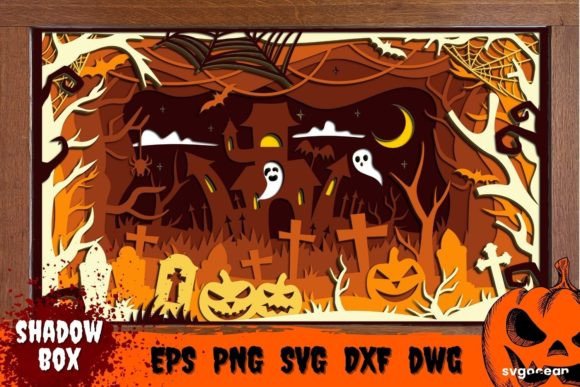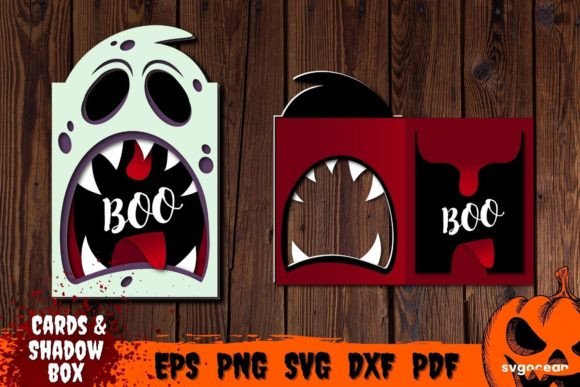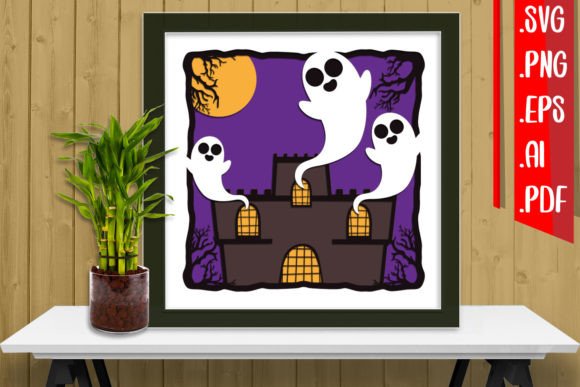
Halloween Layered Papercut 19 - Svg Eps
As an embroidery designer and product reviewer, I often find myself evaluating digital files for real-world use. Halloween Layered Papercut 19 - Svg Eps caught my attention as a potential addition to my design library. The file promises a layered papercut aesthetic, ideal for shadow boxes and 3D SVG projects. But what does it actually bring to the table when used in actual embroidery work?
The First Impression: Mood, Layout, and Visual Personality
The Halloween Layered Papercut 19 - Svg Eps design immediately evokes a sense of spooky elegance. The layered structure suggests depth and dimension, which is perfect for creating a 3D effect in embroidery. The layout is clean and well-organized, making it easy to identify each layer. The level of detail is impressive, with intricate elements that could translate well into an applique design or a satin stitch-heavy project.
This design feels most at home on custom apparel, especially items like sweatshirts, tote bags, and baby clothes. Its Halloween theme makes it a strong candidate for holiday-themed embroidery projects, whether for personal use or small business merchandise.
Real-Life Embroidery Performance: What Works and What Doesn’t
Testing Halloween Layered Papercut 19 - Svg Eps on different fabrics and project types reveals its strengths and limitations. On medium-weight cotton, the design holds up well, with clear stitch definition and good visibility. However, on thin or stretchy fabrics, the details can become lost or distorted, especially in areas with high stitch density.
For custom apparel, this design works best on larger hoop sizes. Smaller hoops may struggle to accommodate the full complexity of the layers, leading to stitching issues or incomplete coverage. If you're planning to use it on a cap or a curved surface, be prepared to adjust the design or consider alternative placement options.
When applied to dark fabrics, the contrast between the design and the background becomes more important. Light-colored thread may not show up as well as expected, so testing with different thread colors is essential. For commercial embroidery projects, ensuring proper stabilizer use is critical to prevent puckering or shifting during the stitching process.
Where to Use It Carefully: Potential Pitfalls
There are certain scenarios where Halloween Layered Papercut 19 - Svg Eps may not perform as intended. Small hoop sizes, for example, could limit the ability to fully capture the design’s layered nature. Similarly, textured or stretchy fabrics might cause the stitches to pull or distort, especially in delicate areas like corners or tiny lettering.
If you're planning to use this design on a layered garment or a product that requires frequent washing, consider how the layers will hold up over time. Dense stitch areas may lead to fabric thinning or thread breakage, so adjusting the stitch density or using a lighter fill stitch could help improve durability.
For personalized gifts or handmade products, the design’s visual appeal is a big plus. But if the goal is to create a printable mockup or digital product preview, make sure the file format supports your needs. The availability of SVG, EPS, AI, PNG, and PDF files is a definite advantage for designers who need flexibility in their workflow.
Impact on Visual Appeal, Customer Trust, and Product Value
Halloween Layered Papercut 19 - Svg Eps has the potential to elevate the visual appeal of any embroidered item. Its layered structure adds a unique dimension that can make a finished product stand out, especially in a competitive market like Etsy or craft fairs. Customers often respond positively to designs that feel intricate and well-crafted, which can increase perceived value and encourage repeat purchases.
From a branding perspective, this design fits well into a holiday or seasonal collection. It can help maintain consistency across different product lines, from custom apparel to nursery decor. For small shop owners or creative entrepreneurs, having a versatile design like this in your arsenal can streamline the process of creating new listings or updating existing ones.
When it comes to customer trust, the quality of the embroidery file plays a key role. A well-structured design with clear layers and manageable stitch counts can reduce the risk of errors, leading to better customer satisfaction. This is especially important for digital product sellers who rely on positive reviews and word-of-mouth referrals.
Practical Designer Notes: What to Check Before Using
Before jumping into a full project, here are a few practical steps to take:
- Test the design on scrap fabric to see how it looks and behaves in real conditions.
- Check thread color contrast against the fabric to ensure visibility and cohesion.
- Review stitch density to avoid issues with fabric distortion or thread breakage.
- Confirm hoop size requirements to ensure compatibility with your embroidery machine.
- Inspect small details to make sure they’re suitable for embroidery without excessive digitizing.
- Test in black and white mockups to assess how the design translates to different backgrounds.
- Compare light and dark fabric backgrounds to determine the best application scenarios.
- Use proper stabilizer for delicate or stretchy materials to maintain shape and stability.
- Verify licensing before selling finished items or digital products to avoid legal issues.
These steps can save time and prevent costly mistakes, especially when working on commercial embroidery projects or client orders.
Final Thoughts: Is Halloween Layered Papercut 19 - Svg Eps Worth It?
Halloween Layered Papercut 19 - Svg Eps is a solid choice for designers looking for a layered papercut-style design that can be adapted to various embroidery projects. Its versatility, combined with the right preparation and execution, makes it a valuable addition to any digital design library.
Whether you're an Etsy seller, a small shop owner, or a hobbyist, this design offers creative potential—provided you approach it with care and consideration. As with any machine embroidery design, understanding its strengths and limitations is key to achieving the best results in both personal and commercial applications.