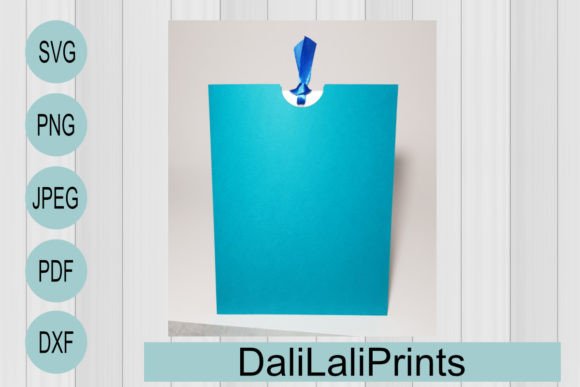
Basic Card with Envelope
As someone who’s spent years working with machine embroidery designs, I know the difference between a good file and one that just doesn’t cut it. Basic Card with Envelope is a design that feels like it was made for practical use, not just as a digital file to download. It has a clean, no-nonsense vibe that makes it ideal for small business owners, crafters, and Etsy sellers looking for something straightforward yet effective.
The First Impression
From the moment I opened the 3D SVG file, I noticed the simplicity of the layout. The shape is classic—nothing too flashy, but it carries a sense of elegance that works well with a variety of projects. The theme is understated, which means it can fit into different styles without clashing. It’s the kind of design that doesn’t demand attention but still stands out when needed.
The detail level is moderate. There are enough elements to make it visually interesting, but not so much that it becomes overwhelming. This makes it perfect for beginners or those who want to focus on other aspects of their project without getting bogged down by complex stitching.
Real-Life Embroidery Scenarios
Imagine you’re working on a custom embroidered tote bag for a client. Basic Card with Envelope could be a great addition to the design, especially if they want something subtle but meaningful. It could also work well as a sweatshirt embroidery, adding a touch of sophistication without being too bold.
For baby items, this design might be used as an applique design on onesies or blankets. Its simple lines make it easy to stitch onto delicate fabrics, and the 3D SVG format ensures it scales well without losing quality. It’s also a solid choice for personalized gifts, like a holiday card or a thank-you note that’s been stitched onto fabric.
In a craft business setting, Basic Card with Envelope could be part of a printable mockup or a digital product preview. It’s versatile enough to be used in both personal and commercial projects, making it a valuable asset for anyone selling handmade products or offering custom embroidery services.
Where to Use With Caution
While Basic Card with Envelope is generally reliable, there are a few situations where it might not perform as well. If you’re using a small hoop size, you may find that some parts of the design get cut off or aren’t fully visible. Similarly, on textured fabrics or thin materials, the stitches might not show up as clearly as they should.
Stretchy fabrics can be tricky too. The design might pull or distort during the stitching process, especially if the stabilizer isn’t properly applied. For dark fabrics, the thread color contrast is important—make sure the colors you choose stand out against the background.
If you’re planning to use this on curved surfaces like caps or hats, you’ll need to adjust the design slightly to account for the shape. Tiny lettering or detailed corners might not hold up well under repeated washing, so it’s best to test it first on a scrap piece of fabric.
Impact on Visual Appeal and Customer Trust
Basic Card with Envelope adds a professional touch to any finished product. It’s the kind of design that customers will notice, even if they don’t immediately recognize what it is. This makes it great for brand consistency, especially if you’re trying to build a cohesive look across your merchandise.
When it comes to handmade products, the clarity of the stitching matters. Basic Card with Envelope offers a clean, sharp look that enhances the overall appearance of the item. This can increase customer trust, as it shows that the design was thoughtfully created and executed.
For personalized gifts, this design can help elevate the emotional value of the item. A simple embroidered card or envelope can become a cherished keepsake, especially if it’s done with care and attention to detail.
Practical Designer Notes
Before using Basic Card with Envelope in a real project, always test it on scrap fabric. This helps you see how the stitches look on different materials and whether the design needs any adjustments. Checking the thread color contrast is also essential—especially if you’re using it on dark or light backgrounds.
Review the stitch density to make sure it’s appropriate for the fabric you’re using. If the design is too dense, it might cause puckering or discomfort on the final product. Confirm the hoop size required to ensure it fits your embroidery machine.
Inspect small details like corners and lettering to make sure they’re clear and consistent. Testing the design in black and white mockups can help you see how it looks without color distractions. Comparing it on different fabric types will give you a better idea of its versatility.
Use the right stabilizer for the fabric you’re working with. This helps prevent distortion and ensures the design stays in place during stitching. Always check whether the design is suitable for both personal and commercial use, and confirm the licensing terms before selling finished items or digital products.
Final Thoughts
Basic Card with Envelope is a solid choice for anyone looking for a reliable, practical embroidery design. It’s not the most complex file out there, but that’s part of its charm. It’s designed to be used, not just admired. Whether you’re creating custom apparel, personalized gifts, or small shop merchandise, this design has the potential to add value and professionalism to your work.
As with any machine embroidery design, it’s important to approach it with care and attention. Test it, adjust it if needed, and make sure it fits your specific project requirements. When done right, Basic Card with Envelope can be a valuable addition to your design assets and a trusted tool in your creative workflow.